
Views: 0 Author: Site Editor Publish Time: 2026-04-29 Origin: Site


Electrical insulation materials form the invisible foundation enabling modern electrical systems to function safely and efficiently. From household appliances to industrial power distribution equipment, insulation materials prevent unwanted current flow, maintain safe operating temperatures, and protect personnel from electrical hazards. Selecting appropriate insulation materials requires understanding electrical requirements, thermal demands, mechanical stresses, and environmental conditions affecting material performance throughout equipment service life.
The diversity of available insulation materials ranges from commodity papers to advanced polymer films, each offering specific property combinations addressing particular application requirements. Material selection decisions impact equipment performance, reliability, manufacturing costs, and regulatory compliance. Understanding these materials enables engineers to make informed choices optimizing overall system design.
This comprehensive guide examines electrical insulation material categories, properties, applications, and selection criteria. Professional suppliers like Yuffen.
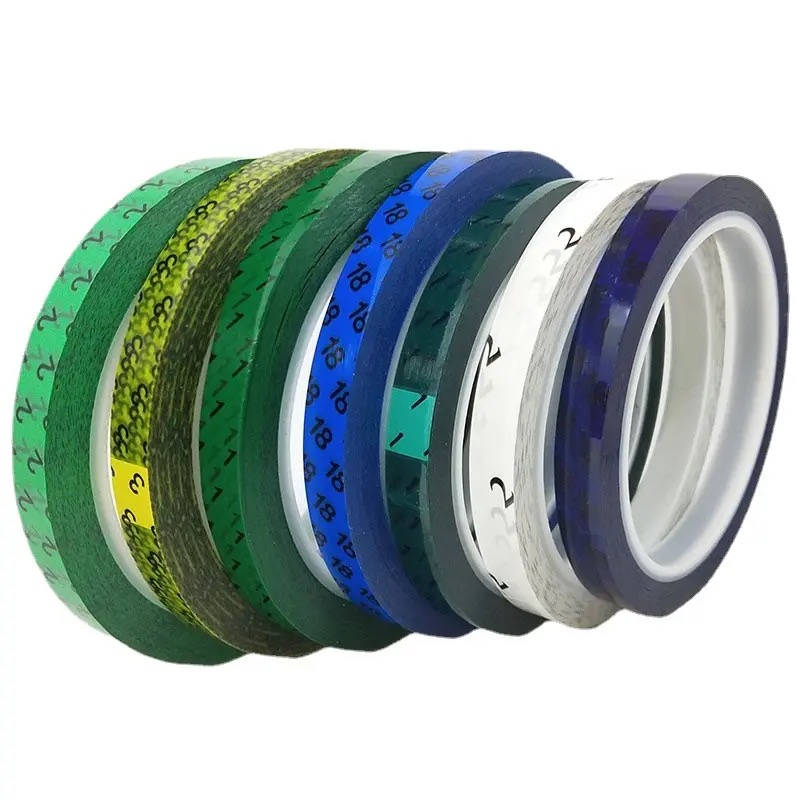
Electrical insulation materials resist electrical current flow, enabling controlled pathways for power and signal transmission. The dielectric strength of insulation materials quantifies their ability to withstand electrical stress without breaking down. This property determines maximum operating voltages and required thickness specifications for safety and reliability.
Electrical insulation performance depends on multiple mechanisms including electron binding energy, charge trapping, and dielectric polarization. Under low electrical stress, insulators effectively prevent current flow, maintaining separation between conductors at different electrical potentials. When electrical stress exceeds dielectric strength, insulation breakdown occurs through complex mechanisms including thermal runaway, treeing, and erosion.
The permittivity of insulation materials influences capacitance and energy storage in electrical systems. Different applications require different permittivity characteristics, with some designs favoring lower values minimizing parasitic capacitance while others utilize specific dielectric properties for capacitors and similar components. Material selection considers both primary insulation requirements and secondary effects on system performance.
International standards including IEC and ASTM establish testing methods and performance classifications enabling consistent material specification across global supply chains. Thermal classification systems rate insulation materials for maximum continuous operating temperatures, ranging from Class A (105°C) through Class H (180°C) and beyond for specialized applications. These ratings guide material selection for specific thermal environments.
Electrical insulation materials span multiple chemical families including cellulose papers, polymer films, composite laminates, and inorganic ceramics. Each material category offers distinct property combinations making it suitable for particular applications. Understanding these categories enables systematic material preselection before detailed evaluation of specific products.
Quality management systems including ISO 9001 and industry-specific certifications ensure consistent material performance. Supplier qualification processes verify manufacturing capabilities, testing procedures, and traceability systems. Material certifications and test reports provide documentation supporting design verification and regulatory compliance.
Insulation papers represent traditional electrical insulation materials derived from cellulose fibers processed into sheet forms. These materials offer excellent electrical properties at economical cost, making them ubiquitous in transformer and motor applications. Kraft paper, nomex aramid paper, and composite papers address varying performance requirements across application categories.
Kraft paper insulation derives from wood pulp processing, producing economical papers suitable for moderate temperature and voltage applications. The cellulose composition provides good dielectric properties, while mechanical strength enables reliable performance in winding applications. Kraft paper composites with petroleum jelly create moisture-resistant grades for transformer applications.
Aramid insulation papers including DuPont Nomex provide higher temperature capability and mechanical strength compared to cellulose alternatives. These synthetic papers maintain properties at temperatures exceeding 200°C, enabling compact designs for high-performance applications. Aramid papers resist thermal degradation while maintaining electrical and mechanical characteristics throughout extended service life.
Polymer films provide thin, uniform insulation with excellent dielectric properties and mechanical consistency. Polyethylene terephthalate (PET) films offer economical solutions for moderate temperature applications, while polyimide films address high-temperature requirements. Film thickness ranges from micrometers to millimeters, enabling optimization for specific voltage and space constraints.
Polyester films including Mylar provide balanced electrical and mechanical properties at economical cost. These films offer good dielectric strength with excellent dimensional stability and moisture resistance. Polyester film composites with papers or other materials create hybrid insulation systems combining advantages of multiple materials.
Polyimide films including Kapton provide exceptional thermal capability reaching 400°C for continuous service. These high-performance materials enable miniaturization in demanding applications including aerospace and electric vehicle systems. The combination of electrical performance and mechanical flexibility makes polyimide films essential for specialized applications.
Electrical insulation boards provide rigid support structures for windings, leads, and structural components requiring dielectric isolation. Phenolic paper laminates, composite boards, and ceramic materials address varying mechanical and thermal requirements. Board thickness ranges from fractions of millimeters to several centimeters, with dimensional stability ensuring consistent performance.
Phenolic paper laminates combine cellulose paper substrates with phenolic resin binders, producing economical boards with good electrical properties and mechanical strength. These materials machine easily, enabling precise fabrication of complex shapes. Grade designations indicate specific property combinations for different applications.
Composite insulation boards combining polymer films with various substrates provide optimized property combinations. Aramid paper cores with polyester film faces create boards offering thermal capability, mechanical strength, and dielectric performance. These engineered materials address requirements beyond single-material capabilities.
Quality insulation materials deliver consistent dielectric properties ensuring reliable electrical system operation. High dielectric strength enables thinner insulation for reduced size and weight while maintaining safety margins. Low dissipation factor minimizes energy loss and heat generation, improving overall system efficiency.
Dielectric constant stability across temperature and frequency ranges ensures predictable performance in varying operating conditions. Insulation materials maintaining properties under stress enable reliable equipment operation despite environmental variations. Quality verification through testing ensures materials meet specified electrical performance requirements.
Partial discharge resistance extends insulation life by preventing microscopic damage accumulation. Quality materials resist partial discharge initiation and propagation, maintaining integrity despite electrical stress. This characteristic proves particularly valuable in high-voltage applications where partial discharge represents primary degradation mechanism.
Thermal conductivity in insulation materials influences heat transfer from windings and conductors to cooling systems. Materials with higher thermal conductivity enable more efficient heat removal, supporting higher current densities and more compact designs. Thermal management considerations increasingly drive insulation material selection for high-power applications.
Temperature capability determines maximum operating temperatures sustainable without degradation. Quality insulation materials maintain electrical and mechanical properties at rated temperatures throughout specified service lives. Thermal aging characteristics guide life expectancy predictions and maintenance interval development.
Heat resistance combined with thermal shock tolerance enables reliable performance despite rapid temperature changes. Materials resistant to cracking or delamination under thermal stress maintain integrity through demanding operating profiles. This characteristic proves essential for applications with frequent load cycling or ambient temperature variations.
Tensile strength and elongation properties ensure insulation materials withstand manufacturing stresses during winding and assembly. Materials must maintain integrity through handling, impregnation, and thermal cycling without damage. Quality materials provide consistent mechanical properties enabling reliable automated and manual manufacturing processes.
Flexibility enables insulation materials to conform to complex geometries without cracking or delamination. Flexible papers and films accommodate movement during thermal expansion while maintaining complete coverage. Rigid boards provide structural support while resisting deflection under mechanical loads.
Abrasion and cut-through resistance protect insulation from damage during manufacturing and maintenance. Quality materials resist mechanical damage that could compromise dielectric integrity. This resistance proves particularly valuable in winding applications where sharp edges and tight radii create stress concentrations.
Power transformers utilize multiple insulation material types throughout their construction, from wound core insulation through leads and bushings. Transformer oil provides primary insulation between windings, with paper and pressboard materials providing turn-to-turn, layer, and section insulation. The combination of oil and cellulose insulation has proven reliable through decades of transformer service.
Distribution transformers serving residential and commercial loads typically employ cellulose-based insulation systems optimized for cost and reliability. These transformers benefit from insulation materials balancing initial cost against long-term aging performance. Moisture content control during manufacturing and throughout service life maintains dielectric integrity.
High-voltage transformers for transmission applications utilize advanced insulation systems including capacitive grading papers, composite bushings, and specialized pressboard configurations. These sophisticated insulation designs manage electrical stress concentrations enabling reliable operation at system voltages reaching 765 kV and beyond. Quality control throughout manufacturing ensures insulation systems meet demanding performance requirements.
Electric motors and generators employ insulation materials throughout stator and rotor windings, with form-wound motors utilizing sophisticated insulation systems developed over decades of refinement. Random-wound motors utilize simpler insulation approaches appropriate for lower voltages and moderate performance requirements. Insulation system selection depends on voltage class, thermal requirements, and mechanical environment.
Magnet wire insulation provides turn-to-turn isolation within windings, with film-coated wires offering superior performance compared to enamel-coated alternatives. Wire insulation must withstand manufacturing stresses during winding while maintaining integrity through subsequent processing including impregnation and thermal cycling. Quality wire insulation enables reliable motor performance throughout demanding service lives.
Slot insulation and phase separators provide additional dielectric isolation between winding sections. These materials must maintain thickness and position throughout thermal cycling and mechanical vibration. Quality insulation materials combined with proper manufacturing techniques ensure reliable motor performance in industrial environments.
Power cables employ multiple insulation layers protecting conductors while enabling efficient power transmission. Cross-linked polyethylene (XLPE) and ethylene propylene rubber (EPR) provide primary insulation for medium-voltage cables, with extruded and laminated constructions addressing various application requirements. Cable insulation must withstand electrical stress while maintaining flexibility for installation.
Low-voltage cables utilize PVC and polyethylene insulation offering economical solutions for building wire and similar applications. These materials provide adequate performance for typical indoor applications while meeting flame-retardant requirements. Cable insulation selection considers installation environment including temperature, moisture exposure, and mechanical stress.
Specialty cables for demanding applications employ advanced insulation including fluoropolymers and composite constructions. These materials address requirements beyond conventional cable capabilities, enabling solutions for aerospace, medical, and industrial applications with unique performance demands.
Specification | Yuffen Products | Competitor A | Competitor B | Industry Average |
|---|---|---|---|---|
Dielectric Strength | 40+ kV/mm | 35 kV/mm | 30 kV/mm | 35 kV/mm |
Temperature Rating | Class H (180°C) | Class F (155°C) | Class B (130°C) | Class F |
Thickness Range | 0.05-10mm | 0.1-5mm | 0.2-3mm | 0.1-6mm |
Quality Certifications | ISO, UL, IEC | ISO, UL | ISO | ISO |
Custom Fabrication | Full service | Limited | None | Partial |
Technical Support | Dedicated engineers | Basic | Minimal | Basic |
Yuffen products offer superior specifications across critical performance dimensions, with advanced temperature ratings enabling compact designs for demanding applications. Comprehensive quality certifications ensure compliance with international standards, while custom fabrication capabilities support specialized requirements. Dedicated technical support provides application expertise throughout product selection and implementation.
Electric vehicle adoption drives unprecedented demand for electrical insulation materials in motors, power electronics, and battery systems. Traction motors require insulation systems operating at higher temperatures and stresses than conventional industrial motors. This demand stimulates development of advanced insulation materials meeting EV performance requirements.
Power electronics inverters and converters utilize insulation materials including films, papers, and thermal management components. Wide-bandgap semiconductors including silicon carbide and gallium nitride enable higher operating temperatures, requiring insulation materials matched to these advanced devices. Development of compatible insulation systems represents active research focus areas.
Battery system insulation requirements include cell isolation, module insulation, and pack-level protection. Electric vehicle battery packs reaching 400-800V require robust insulation systems ensuring safe operation. Thermal runaway risks demand flame-retardant materials preventing fire propagation. These requirements drive insulation material development addressing EV-specific challenges.
Wind turbine generators require large quantities of insulation materials for generators ranging from hundreds of kilowatts to several megawatts capacity. Direct-drive generators particularly challenge insulation systems with their large diameters and complex geometries. Offshore wind applications impose additional environmental requirements including salt spray resistance.
Solar inverter and converter insulation requirements parallel those of other power electronics applications. Grid-scale energy storage systems employing batteries or other technologies require insulation for power conversion equipment. The growth of renewable energy installations creates substantial demand for electrical insulation materials across these applications.
Grid modernization including high-voltage direct current transmission expands insulation material requirements for converter stations and associated equipment. These specialized applications utilize advanced insulation systems developed for demanding high-voltage applications.
Accurate specification development begins with understanding application electrical, thermal, and mechanical requirements. Operating voltage determines dielectric strength requirements and thickness specifications. Temperature environment influences material selection and rating requirements. Mechanical stresses including vibration and handling loads affect mechanical property specifications.
Regulatory requirements including safety standards and environmental regulations influence material selection. UL ratings, IEC classifications, and industry-specific standards may mandate specific material categories or properties. Environmental regulations including RoHS and REACH compliance may restrict certain material options. Specification development should identify all applicable requirements.
Life expectancy requirements influence material selection through aging characteristics and degradation mechanisms. Premium materials providing extended life may justify higher initial costs for critical applications. Standard materials may suffice for applications with shorter expected service lives or easier maintenance access.
Supplier capability assessment examines manufacturing facilities, quality systems, and technical expertise. Factory visits verify actual capabilities rather than relying solely on documentation. Quality system certifications provide baseline verification of supplier commitments.
Manufacturing process capability affects material consistency and supply reliability. Vertical integration controlling raw materials through finished products typically provides better consistency than assembly approaches. Supply chain resilience affects risk management for critical material availability.
Technical support capabilities influence supplier selection for applications requiring application engineering. Suppliers offering design assistance, troubleshooting support, and responsive communication add value beyond basic product supply. Long-term relationship potential supports strategic supplier selection.
Transformer insulation typically combines cellulose paper or pressboard with transformer oil, with specific grades selected based on voltage class and thermal requirements. High-temperature transformers may utilize aramid insulation papers. The combination has proven reliable through decades of transformer service.
Insulation thickness depends on operating voltage, material dielectric strength, and required safety margins. Design standards provide minimum thickness requirements for various voltage classes. Higher operating temperatures may require increased thickness compensating for reduced dielectric strength.
Temperature rating depends on hottest spot temperature in the application, including ambient temperature, self-heating from losses, and thermal gradients. Measuring or calculating actual temperatures enables accurate rating selection. Overspecification wastes cost while underspecification risks premature failure.
Thermal aging causes gradual property degradation through oxidation, polymerization, and moisture effects. Oxidation accelerates at elevated temperatures, with Arrhenius relationships enabling life prediction. Mechanical properties typically degrade before electrical properties, providing warning through increased brittleness.
Routine testing includes dielectric strength, thickness uniformity, and visual inspection. Advanced testing addresses thermal class verification, moisture content, and aging characteristics. Supplier certificates of conformance document standard tests, while more extensive testing verifies special requirements.
Some insulation materials including paper and certain polymers can be recycled, while others require energy recovery or specialized disposal. Regulatory requirements and recycling infrastructure availability affect disposal options. Material selection increasingly considers end-of-life implications.
Electrical insulation materials enable modern electrical systems, providing dielectric isolation essential for safe, efficient operation. Understanding material categories, properties, and applications enables informed selection optimizing system performance and reliability. Quality materials from established suppliers provide consistent performance supporting design objectives.
Material selection decisions impact equipment performance throughout service life, with appropriate initial choices preventing problems that would otherwise require costly remediation. Technical requirements definition, supplier qualification, and ongoing quality verification ensure selected materials meet application demands.
Partnership with experienced suppliers provides access to application expertise and comprehensive product ranges. Professional manufacturers like Yuffen, an established electrical insulation material manufacturer, support material selection while ensuring consistent quality. Strategic material selection decisions support competitive equipment design and manufacturing success.


