


Foam tape is a powerful adhesive solution that can be used in countless applications. Whether you need to bond materials, seal gaps, or add insulation, it’s a versatile tool for home and industrial use.
In this article, we’ll discuss how to choose the right foam tape, its various types, and tips for proper application. You’ll also discover how foam tape can improve your projects, from mounting heavy items to enhancing insulation.
Foam tape is a type of adhesive that features a foam backing with one or two sides coated with a pressure-sensitive adhesive. The foam layer can be made from various materials, such as polyurethane, polyethylene, or neoprene, depending on the application requirements. The tape's adhesive bonds quickly and securely to a wide variety of surfaces, including wood, glass, metal, and plastic, making it a reliable choice for many tasks.
The foam material itself provides flexibility, allowing the tape to conform to irregular surfaces and create a strong bond even under stress. The backing can also help with sealing, insulation, and cushioning, depending on the specific type of foam tape used.
Foam tape comes in different forms, each suitable for various applications. Below are the common types:
● Single-Sided Foam Tape: This type has adhesive on one side and foam on the other. It's often used for sealing and anti-slip purposes.
● Double-Sided Foam Tape: Both sides are coated with adhesive, which is ideal for bonding two surfaces together. It’s commonly used in mounting applications.
● Polyurethane Foam Tape: Known for its durability and resistance to wear, this type is ideal for heavy-duty applications.
● Acrylic Foam Tape: Popular for its excellent adhesion to a variety of materials, including metal and plastic, and its resistance to environmental factors like UV light and temperature fluctuations.
Type | Key Features | Ideal Use |
Single-Sided Foam Tape | Adhesive on one side, anti-slip | Sealing, anti-slip purposes |
Double-Sided Foam Tape | Adhesive on both sides | Bonding two surfaces, mounting |
Polyurethane Foam Tape | Durable, wear-resistant | Heavy-duty applications |
Acrylic Foam Tape | Strong adhesion, UV & temperature resistant | Metal, plastic, outdoor use |
Each type of foam tape has its own unique benefits and is selected based on the specific demands of the task at hand.
Choosing the right foam tape starts with understanding your project's specific needs. The thickness of foam tape plays a critical role in its performance. Thicker tapes are typically stronger and provide better insulation or cushioning, making them ideal for tasks that require extra support, such as mounting heavier objects or sealing larger gaps. On the other hand, thinner tapes are sufficient for tasks like sealing smaller gaps or bonding lightweight materials.
When selecting foam tape for bonding, ensure that the strength of the adhesive matches the materials you're working with. For heavier bonding tasks, double-sided foam tape typically provides a stronger hold. For sealing and insulation, thicker foam tapes are more effective at blocking air, moisture, or sound.
Different applications require different characteristics in foam tape. For example, home improvement and DIY projects might require foam tape that provides strong bonding and sealing, especially for irregular surfaces. Polyurethane and acrylic foam tapes are perfect for automotive and industrial uses, where durability and resistance to environmental stressors like heat and moisture are essential.
Each foam tape type is designed to meet specific demands, so it’s important to match your tape with the needs of your project. Whether it’s sealing, cushioning, or mounting, the right foam tape will ensure optimal performance.
Application | Recommended Foam Tape | Ideal Use |
Bonding Heavy Objects | Double-Sided Foam Tape | Strong hold for heavier items |
Sealing Small Gaps | Thinner Foam Tape | Ideal for smaller gaps or light bonding |
Automotive & Industrial | Polyurethane/Acrylic Foam Tape | Durability, heat/moisture resistance |
DIY & Home Improvement | Strong Bonding & Sealing Foam Tape | Ideal for irregular surfaces |
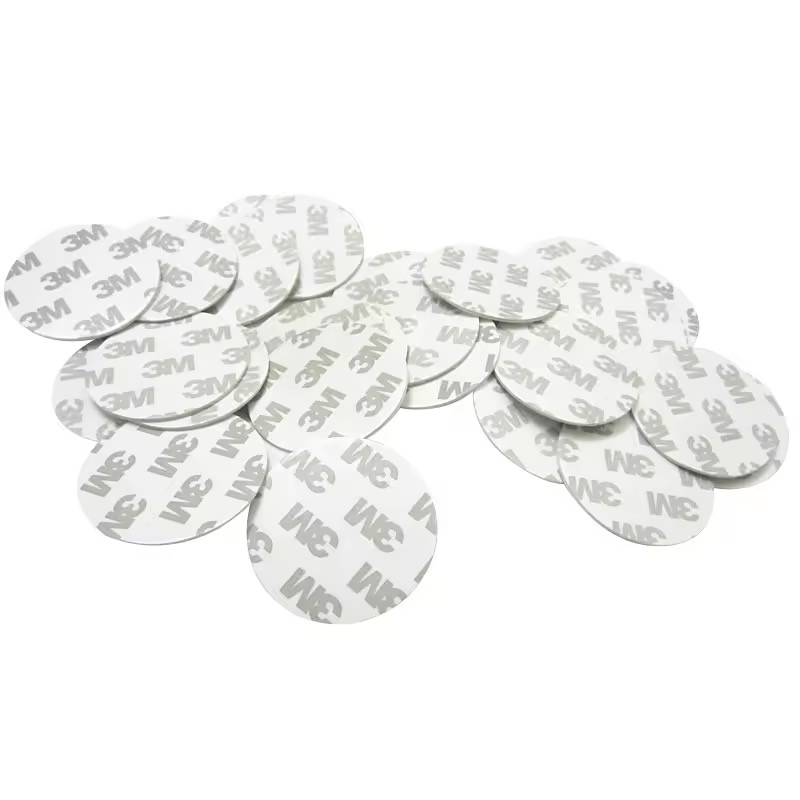
Before applying foam tape, cleaning the surface thoroughly is essential to ensure a strong adhesive bond. Dirt, dust, or oil can reduce the tape’s effectiveness, so using a mild detergent or isopropyl alcohol is recommended to clean the surface. Let the surface dry completely before application.
Next, measure the area to ensure the tape fits properly. Cutting the tape to the correct size before application not only prevents waste but ensures a perfect fit for your project. Accurate measurement is especially important for larger projects like mounting heavy items or sealing larger gaps.
Applying foam tape is straightforward. For double-sided foam tape, start by peeling off one liner and applying the adhesive side to the surface. Press firmly along the entire length of the tape to ensure good contact with the surface. Then, peel off the second liner and press the second surface onto the tape.
For best results, apply consistent pressure across the tape, particularly at the edges. This ensures a secure bond and eliminates air bubbles that could weaken the adhesive.
● Apply Even Pressure: Ensure steady, even pressure during installation, especially on larger surfaces. Insufficient pressure can lead to weak bonding.
● Avoid Extreme Conditions: Don’t apply foam tape in extreme temperatures or humid conditions. These factors can affect the adhesive’s performance.
● Use a Foam Tape Dispenser: For larger areas or projects with multiple applications, using a foam tape dispenser ensures even application and reduces waste.
One of the key advantages of foam tape is its ability to replace traditional metal fasteners like screws and bolts. This is particularly useful for applications where visible holes are undesirable. Foam tape can bond materials securely without the need for drilling, making it ideal for aesthetic projects such as hanging artwork, mounting signage, or securing decorative elements.
In retail environments, foam tape is commonly used to hang point-of-sale signage, providing a clean and secure attachment without the need for nails or screws.
Foam tape's strong adhesive properties make it ideal for mounting heavy items such as mirrors, pictures, and even shelving. It provides a simple and effective alternative to traditional hanging methods, which can be time-consuming and leave visible holes. Foam tape also prevents the damage to walls that often occurs when using nails or screws.
Whether at home or in business, foam tape offers a simple and reliable mounting solution for a variety of items. It is particularly useful for projects that require a clean finish without visible fasteners.
Foam tape excels in applications where sealing and insulation are needed. It is widely used in the construction and automotive industries for weatherproofing, sound dampening, and thermal insulation. Foam tape can seal gaps around windows and doors, preventing drafts and improving energy efficiency. It also works well in automotive applications, where it can seal car doors, windows, and trunks to prevent water and dust intrusion.
Foam tape can also be used to insulate HVAC ducts, reducing energy loss and enhancing comfort within the building.
Use Case | Foam Tape Benefit | Ideal Application |
Replace Metal Fasteners | No drilling, clean finish | Hanging artwork, mounting signage |
Mounting & Hanging Items | Strong adhesive, prevents wall damage | Mirrors, pictures, shelving |
Sealing & Insulation | Seals gaps, prevents drafts | Windows, doors, HVAC systems |
Foam tape offers a cost-effective solution compared to traditional fasteners or liquid adhesives. It’s quick to apply, reducing labor costs and project time. Additionally, it is typically less expensive than other bonding methods, making it an excellent option for those looking to save on materials and labor.
Its quick application process also means you can avoid the additional time and expense associated with using screws or glue, providing a faster turnaround for projects.
The simplicity of foam tape’s application process significantly enhances work efficiency. Unlike liquid adhesives, which can be messy and require time to set, foam tape can be applied instantly. There is minimal cleanup, and the tape provides an immediate bond, allowing projects to move forward quickly. This is especially beneficial in commercial and industrial settings where time is crucial.
Foam tape can be a game-changer for businesses looking to streamline their processes and reduce labor time on bonding, sealing, or mounting tasks.
Benefit | Ideal for |
Cost Efficiency | Quick projects, cost savings |
Enhanced Work Efficiency | Commercial, industrial applications |
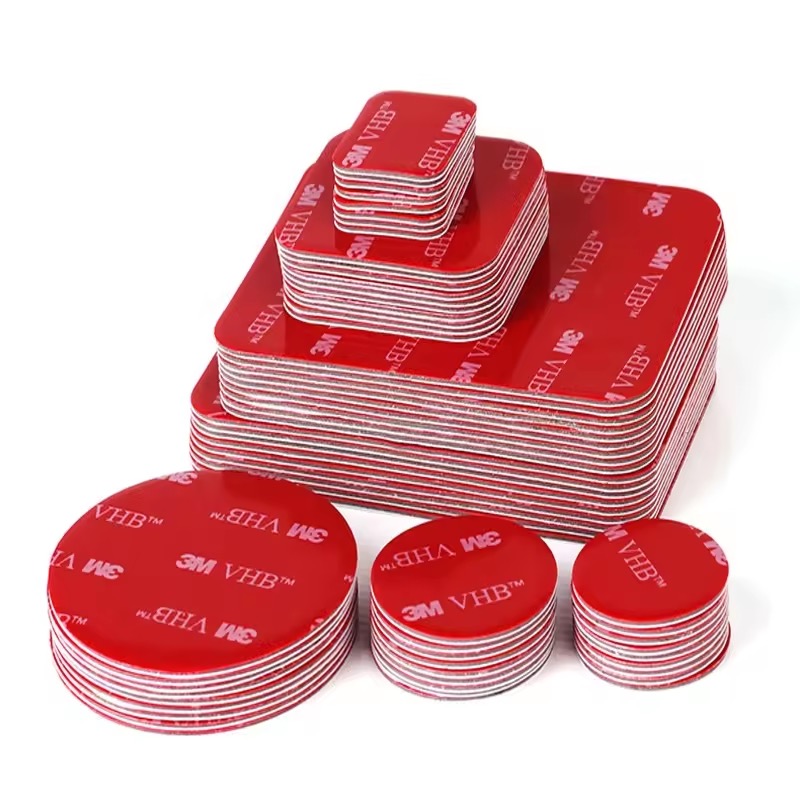
● Sealing Gaps: Use foam tape to seal air gaps in window frames, preventing drafts and improving energy efficiency.
● Mounting Picture Frames: Foam tape provides a simple way to mount picture frames without damaging the wall or using nails.
● Adding Insulation: Enhance insulation around doors and windows to improve home comfort and reduce energy loss.
● Soundproofing: Foam tape is a great solution for improving soundproofing in your home by sealing gaps and preventing noise leakage.
Foam tape is perfect for quick repairs, small projects, and no-mess solutions, making it an ideal choice for DIY enthusiasts and homeowners.
● Sealing: Foam tape is widely used in vehicles for weather stripping, sealing doors, windows, and trunks to prevent water and dust intrusion.
● Vibration Dampening: It helps to reduce vibrations in machinery, improving performance and longevity in industrial settings.
● Insulation: Foam tape is used to insulate machinery, preventing energy loss and enhancing operational efficiency.
● Protecting Sensitive Equipment: It prevents damage to delicate industrial equipment by dampening vibrations and providing a cushioning effect.
Foam tape is essential for sealing, insulation, and vibration dampening, offering superior performance in automotive and industrial environments.
Foam tape is a versatile, easy-to-use adhesive for a variety of applications, from home improvement to industrial tasks. Understanding its types and proper use helps maximize its benefits, including cost efficiency and reliable bonding. Whether for DIY projects or professional needs, foam tape enhances work efficiency and improves the overall quality of your work. JIANGYIN YUFFEN ELECTRONICS CO., LTD. offers high-quality foam tape products, providing excellent value with their superior performance in bonding, sealing, and insulation solutions.
A: Foam tape is used for bonding, sealing, and insulating. It's ideal for applications like mounting, weatherproofing, and vibration dampening in both home and industrial projects.
A: Clean the surface, measure and cut the tape, peel off the backing, and press the tape firmly to ensure a strong, bubble-free bond.
A: Foam tape eliminates the need for drilling, offering a cleaner, quicker, and cost-effective solution for bonding, without visible holes.
A: Foam tape adheres to many surfaces, such as wood, glass, metal, and plastic, making it versatile for various applications.
A: Foam tape is durable and can last for years if used in suitable conditions, but extreme temperatures or humidity can impact its longevity.


