
Views: 0 Author: Site Editor Publish Time: 2026-01-22 Origin: Site


Polyimide tape is known for its high heat resistance, chemical stability, and electrical insulation. But what about Kapton tape? Is it just another version of polyimide tape, or does it offer something more? In this article, we’ll explore the differences and similarities between polyimide tape and Kapton tape. You’ll learn about their key features, specific applications, and when one might be better than the other.
Polyimide tape is known for its outstanding performance in demanding environments. Here’s a breakdown of its key characteristics:
Characteristic | Description |
Exceptional Temperature Resistance | Performs well in extreme temperatures ranging from -73°C to +260°C. |
Reliable Adhesion | Maintains strong adhesion even in high-heat environments. |
Chemical Resistance | Withstands exposure to acids, oils, and other harsh substances without degrading. |
Electrical Insulation | Offers excellent electrical insulation, ideal for sensitive electronic applications. |
Versatility | Suitable for use in industries like electronics, aerospace, automotive, and medical devices. |
While Kapton tape is a well-known brand, polyimide tape is a broader category. Many manufacturers produce polyimide tapes, each with varying adhesive types (silicone, acrylic) and different thicknesses. This makes polyimide tape a versatile choice that can be tailored to meet specific needs, whether for high-performance electronics or general insulation purposes.
Polyimide tapes are used in diverse applications, from masking during soldering processes to providing insulation in harsh environments where high temperatures are common.
Polyimide tape typically has a thickness of about 0.1 mm, with an adhesive strength of 6N, making it a strong contender in applications where long-lasting adhesion is crucial. With a dielectric strength of 6.5 kV, it also ensures excellent electrical insulation, preventing short circuits or failures in sensitive electronics. These performance characteristics make polyimide tape a highly durable and reliable material in both industrial and commercial uses.
Kapton tape was developed by DuPont in the 1960s, primarily for aerospace applications where extreme temperature resistance was critical. Unlike other polyimide tapes, Kapton tape carries the reputation of being a premium product due to its superior manufacturing standards, high-performance adhesive properties, and exceptional consistency.
As a specific brand of polyimide tape, Kapton is often the preferred choice for high-demand applications in sectors such as aerospace, automotive, and electronics.
Kapton tape is characterized by its superior thermal stability, able to handle temperatures as high as 400°C. It also provides excellent electrical insulation and is highly resistant to a broad range of chemicals. One of its standout features is its low outgassing rate, making it ideal for use in vacuum environments, such as space exploration or high-altitude applications.
Kapton tape is also known for its flexibility and adhesion, which remain intact even at elevated temperatures, allowing it to adhere to difficult surfaces without leaving any residue upon removal.
Kapton tape’s unique properties make it a go-to material in several industries:
● Aerospace: Kapton is used in spacecraft to maintain temperature control and insulate components exposed to extreme conditions.
● Automotive: It helps insulate parts in engines or other areas where high heat is a concern.
● 3D Printing: Kapton’s ability to prevent prints from shifting on a hotbed makes it invaluable for 3D printing enthusiasts.
● Medical Devices: It’s used to ensure electronics in medical devices remain insulated and protected.
While all Kapton tape is polyimide tape, not all polyimide tape is Kapton. Kapton is a specific brand manufactured by DuPont, known for its high consistency and top-tier performance standards. On the other hand, generic polyimide tape can come from a variety of manufacturers, each with its own specifications.
Kapton tape typically comes at a premium, reflecting its superior performance and brand recognition, making it a reliable choice for applications where quality and consistency are paramount.
Kapton tape is generally superior when it comes to heat resistance. While polyimide tape can withstand temperatures up to 260°C, Kapton tape can handle extreme temperatures as low as -196°C and as high as 400°C. This makes Kapton tape the preferred choice for industries and applications where higher heat resistance is essential.
Kapton tape, due to its advanced manufacturing processes and higher heat resistance, tends to be more expensive than regular polyimide tape. However, in cases where extreme conditions or higher performance are required, Kapton’s superior properties justify the added cost. For less demanding applications, generic polyimide tape may be a more cost-effective solution.
Both polyimide and Kapton tapes offer excellent chemical resistance and electrical insulation. However, Kapton tape excels in more extreme conditions, offering better resistance to chemicals and higher dielectric strength. In environments such as aerospace or advanced electronics, where precision and reliability are critical, Kapton tape is often the preferred option.
Feature | Polyimide Tape | Kapton Tape |
Brand | Generic, varies by manufacturer. | A premium brand, made by DuPont. |
Heat Resistance | Up to 260°C. | -196°C to 400°C. |
Cost | More affordable. | Higher cost, premium quality. |
Chemical & Electrical | Good resistance and insulation. | Superior resistance and insulation. |
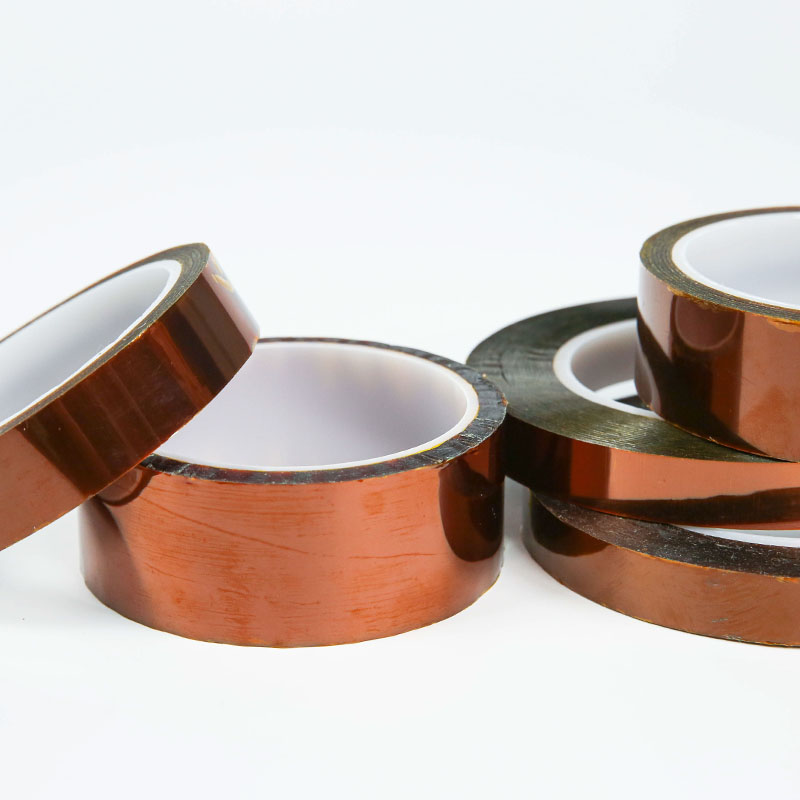
In the electronics sector, both polyimide and Kapton tapes are used to mask components during soldering processes, protecting them from heat damage. Their excellent electrical insulation properties ensure that sensitive parts do not short-circuit during manufacturing. Kapton tape, due to its superior performance, is frequently chosen for high-demand electronic applications.
Both tapes are crucial in aerospace for wiring insulation and protecting sensitive components from extreme environmental conditions. Kapton tape is especially favored in space exploration, where components are subjected to the vacuum of space and extreme temperatures. Its low outgassing rate is essential in space missions, such as those undertaken by NASA.
Polyimide and Kapton tapes are both used in the automotive industry, particularly for insulating parts in high-temperature areas, such as engine compartments. Kapton’s superior heat resistance makes it especially valuable for applications where reliability at elevated temperatures is critical.
Kapton tape is commonly used in 3D printing to prevent printed objects from shifting on the hotbed. In the medical device industry, polyimide tapes are used to protect electronic components and ensure the consistent performance of devices in sensitive applications.
Industry | Polyimide Tape | Kapton Tape |
Electronics | Soldering, insulation | High-demand electronic uses |
Aerospace | Wiring insulation | Space exploration, low outgassing |
Automotive | Insulation in high-temp areas | Superior heat resistance |
3D Printing & Medical | Component protection | 3D printing, medical devices |
If your application involves exposure to temperatures higher than 260°C, Kapton tape is the better choice. It can handle extreme temperatures up to 400°C, making it suitable for high-performance environments such as aerospace or electronics manufacturing.
If your project doesn’t demand the superior performance of Kapton tape, opting for generic polyimide tape can save costs without sacrificing quality. Polyimide tape offers excellent performance in many applications at a lower price point.
When choosing between polyimide and Kapton tape, consider factors like chemical exposure, the need for electrical insulation, and flexibility. Kapton tape is ideal for more extreme environments, while polyimide tape can meet most standard requirements effectively.
Factor | Polyimide Tape | Kapton Tape |
Temperature | Up to 260°C | Up to 400°C |
Budget | More cost-effective | Higher cost for superior performance |
Specific Use Cases | Standard environments | Extreme environments |
In summary, while polyimide tape and Kapton tape share many similarities, they are not the same. Kapton tape is a premium brand of polyimide tape known for its superior heat resistance, chemical stability, and electrical insulation. Polyimide tape offers more flexibility and cost-effective solutions for less demanding applications. When choosing between the two, consider your project's specific needs, including temperature resistance, budget, and environment. For high-quality solutions, JIANGYIN YUFFEN ELECTRONICS CO., LTD. provides reliable products designed to meet diverse industrial requirements.
A: No, Kapton tape is a premium brand of polyimide tape, known for its superior heat resistance, chemical stability, and electrical insulation. While all Kapton tape is polyimide tape, not all polyimide tape is Kapton.
A: Polyimide tape is primarily used for high-temperature applications, electrical insulation, and chemical resistance. It's commonly used in industries like electronics, aerospace, and automotive.
A: Kapton tape is a specific brand of polyimide tape, known for its higher heat resistance and consistent performance. Polyimide tape, on the other hand, includes various brands and offers more affordable alternatives.
A: Yes, polyimide tape is widely used in electronics for insulation, protecting components during soldering, and masking during coating processes due to its excellent heat resistance.
A: Kapton tape is manufactured to stringent standards with superior heat resistance, making it more costly. It is designed for high-performance, extreme-temperature environments where reliability is crucial.
A: Yes, polyimide tape can withstand temperatures up to 260°C, making it ideal for many industrial and electronic applications requiring heat resistance.


