
Views: 0 Author: Site Editor Publish Time: 2026-01-27 Origin: Site


Did you know that a small roll of tape could be the solution to preventing costly leaks? PTFE tape, also called plumber’s tape or Teflon tape, is a must-have tool in both professional and DIY projects. This versatile material is commonly used to seal threaded connections and prevent leaks in various systems.
In this article, we will explore the diverse uses of PTFE tape, discuss its benefits, and offer guidance on how to use it effectively. Whether you’re a professional plumber or a DIY enthusiast, understanding PTFE tape is key to ensuring leak-free connections.
PTFE, or Polytetrafluoroethylene, is a synthetic polymer used in the production of PTFE tape. This material is non-stick, resistant to chemicals, and has low friction properties, making it an ideal choice for applications requiring durability and resistance to extreme conditions. PTFE tape is primarily used for sealing threaded connections, as it fills microscopic gaps between threads, creating a tight seal. Its ability to resist heat, chemicals, and pressure makes it invaluable in many industrial and household applications.
There are several types of PTFE tape designed for different applications. The most common type is the standard white tape, which is typically used for water and non-gas plumbing systems. Other varieties include:
● Yellow PTFE Tape: Used for gas lines (natural gas, propane, etc.). It is thicker and denser than standard tape for safety.
● Green PTFE Tape: Designed for oxygen lines, this tape is oil-free and ensures safety for medical gas systems.
● Gray or Silver PTFE Tape: Used for stainless steel pipes, preventing seizing and galling.
Tape Color | Application |
White | Water and non-gas plumbing |
Yellow | Gas lines (natural gas, propane) |
Green | Oxygen lines (oil-free) |
Gray/Silver | Stainless steel pipes |
The color coding helps users quickly identify the correct tape for specific applications, ensuring safety and efficiency.
In plumbing, PTFE tape is used to seal threaded connections, preventing leaks in water pipes, faucets, showerheads, and valves. When wrapped around pipe threads, it creates a watertight seal that prevents water from leaking through joints. It's especially useful in areas prone to high water pressure, ensuring that connections remain secure over time.
For example, PTFE tape is commonly used in:
● Faucet connections
● Showerheads and arms
● Garden hose fittings
● Irrigation systems
Yellow PTFE tape is specifically designed for gas line applications. It is thicker and denser, which helps ensure a secure seal that prevents leaks in natural gas, propane, and other gas lines. Given the potential risks associated with gas leaks, it is essential to use the appropriate PTFE tape designed for these applications.
Tip: When working with gas lines, always choose yellow PTFE tape. It is critical for safety and compliance with local regulations.
In the automotive industry, PTFE tape is used to seal fuel lines, oil lines, and other engine components. The tape’s resistance to fuel and oil makes it an ideal choice for automotive applications where leaks could cause significant damage or safety concerns. PTFE tape also lubricates the threads, making assembly and disassembly easier.
For example, it is often used in:
● Fuel lines
● Oil connections
● Engine parts
PTFE tape is also used in sealing radiator tail connections. These connections can be susceptible to leaks due to the pressure and temperature fluctuations in the system. Using PTFE tape helps ensure a secure, tight seal that prevents coolant or air leakage, improving the system's overall efficiency.
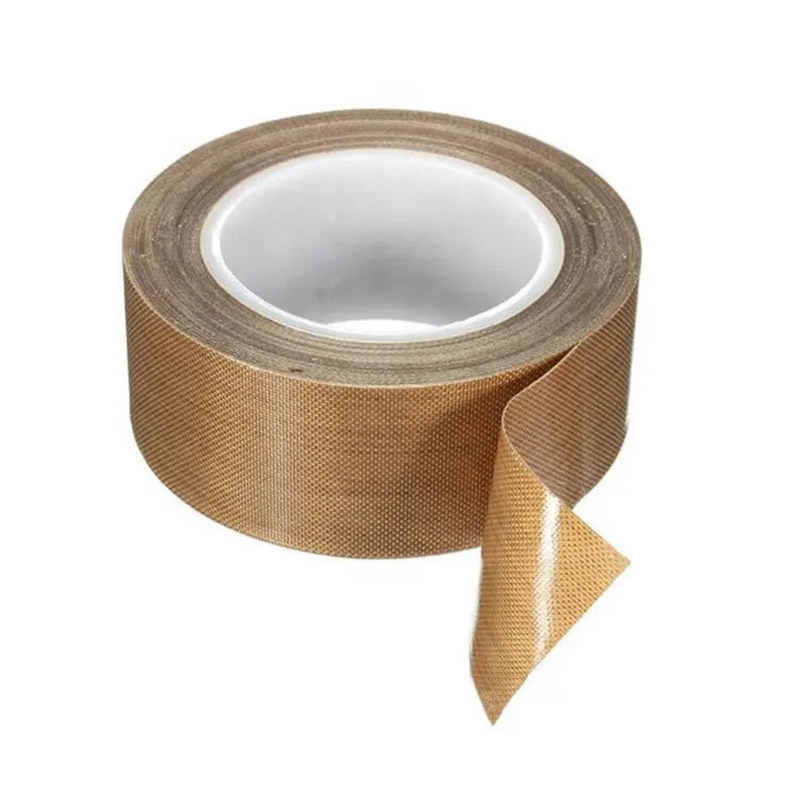
The primary benefit of PTFE tape is its ability to prevent leaks. The tape fills tiny gaps in threaded connections, preventing water, gas, or oil from escaping. This makes it an essential tool for anyone working with pipes, fuel lines, or HVAC systems.
PTFE tape lubricates threaded parts, which makes assembly and disassembly easier. This is particularly helpful in plumbing and automotive applications, where tight connections are required but the parts must be easily undone for maintenance or repairs. The lubrication ensures that the threads do not become stripped or damaged during installation.
PTFE tape is highly versatile, making it useful in a wide range of applications beyond plumbing. Its chemical and temperature resistance makes it a reliable choice for automotive, HVAC, and gas line installations. The tape’s low friction and non-stick properties mean it works well in environments where other sealing materials might fail.
Tip: PTFE tape’s resistance to harsh chemicals and high temperatures makes it suitable for industrial applications where other materials would degrade.
Benefit | Description |
Leak Prevention | Fills gaps in threads to prevent water, gas, or oil leaks |
Lubrication for Easier Assembly | Lubricates threads for easier assembly and disassembly |
Versatility Across Industries | Useful in plumbing, automotive, HVAC, and gas line applications |
Using PTFE tape correctly is essential for ensuring a secure, leak-proof connection. Here’s a simple step-by-step guide on how to apply it:
1. Clean and dry the threads of the pipe.
2. Place the tape on the second thread from the end of the pipe.
3. Wrap the tape tightly in the direction that the pipe will turn (clockwise).
4. Wrap the tape about two to three times, making sure it overlaps slightly with each pass.
5. Cut or tear the tape, ensuring the end is smooth and blended with the wrapped area.
Proper application of PTFE tape ensures that the seal is tight and prevents leaks from forming at the joint.
While PTFE tape is simple to use, several common mistakes can lead to ineffective sealing:
● Over-wrapping: Applying too much tape can prevent a proper seal and make it harder to tighten the connection.
● Incorrect direction: Wrapping the tape in the wrong direction can cause it to unravel as the connection is tightened, leading to leaks.
● Using the wrong tape: Always select the appropriate tape for the specific application (e.g., yellow for gas lines, white for plumbing).
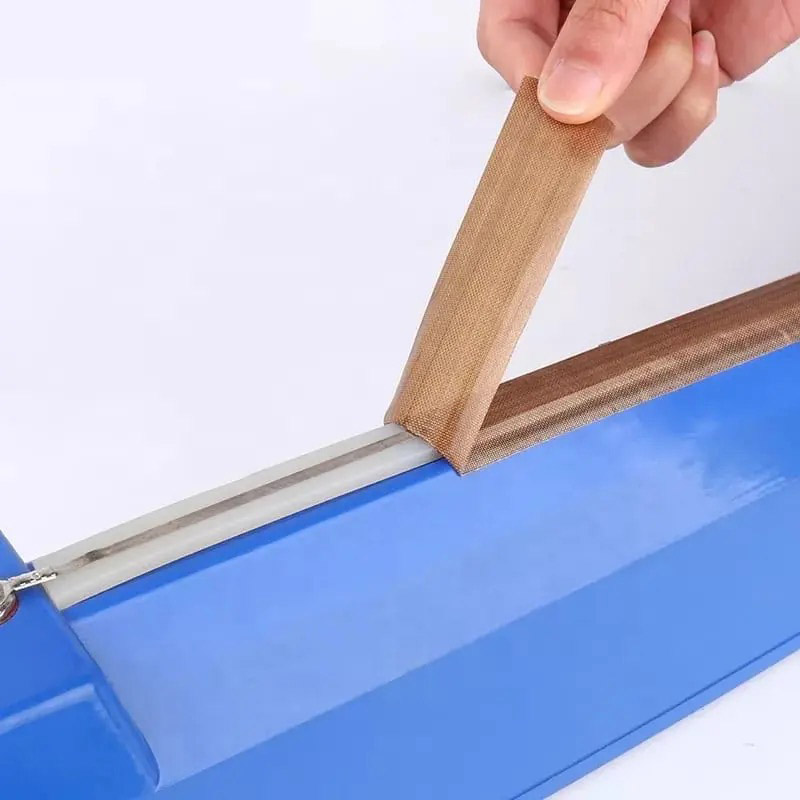
Gas line connections require a stronger, more durable PTFE tape. Yellow PTFE tape is specifically designed for gas applications, where a secure, leak-proof seal is essential for safety. The tape's extra density ensures that it can handle the pressures and risks associated with gas systems.
For oxygen systems, green PTFE tape is used because it is free from oils and other contaminants that could pose a risk in oxygen environments. This type of tape ensures a safe, reliable seal in medical and industrial oxygen systems.
For high-pressure systems or specialized installations, premium PTFE tapes offer enhanced durability and strength. These tapes are often thicker and denser, providing additional protection against leaks in heavy-duty systems such as stainless steel piping or high-pressure gas lines.
Tape Color | Application | Description |
Yellow | Gas lines (natural gas, propane) | Stronger, denser for leak-proof seals in gas systems |
Green | Oxygen systems | Oil-free for safe, reliable seals in medical and industrial oxygen systems |
Premium | Heavy-duty applications | Thicker, denser for high-pressure systems and stainless steel pipes |
In professional settings, PTFE tape is essential for ensuring reliable, long-lasting seals in plumbing, HVAC, automotive, and gas line applications. Plumbers, technicians, and engineers rely on PTFE tape to maintain the integrity of systems and prevent costly repairs.
For DIY enthusiasts, PTFE tape is a convenient tool for fixing leaks around the house. From sealing faucet connections to tightening garden hose fittings, PTFE tape can help homeowners avoid expensive repairs. It is easy to use and provides a professional-quality seal without the need for specialized tools.
Application | Professional Use | DIY Use |
Plumbing | Ensures reliable seals in plumbing systems | Fix leaks in faucet and pipe connections |
HVAC | Used for long-lasting seals in HVAC systems | Tighten connections on garden hoses |
Automotive | Maintains integrity in fuel and engine systems | Seal small leaks around the house |
Gas Lines | Essential for preventing leaks in gas systems | Simple tool for DIY repairs without specialized tools |
While PTFE tape is versatile, there are situations where calling a professional is recommended. If you are unsure about handling gas lines, high-pressure systems, or complex plumbing repairs, it’s best to consult a licensed professional.
PTFE tape is an affordable and reliable solution for sealing threaded connections and preventing leaks in various applications. It is widely used in plumbing, automotive, and specialized systems like gas and oxygen lines. By understanding how to use PTFE tape correctly, you can prevent leaks, save time, and extend system life. JIANGYIN YUFFEN ELECTRONICS CO., LTD. provides high-quality PTFE tape, offering excellent performance for both professionals and DIY enthusiasts, ensuring leak-proof and secure connections.
A: PTFE tape is used to seal threaded connections in plumbing, automotive, and industrial applications. It prevents leaks by filling gaps in threads, ensuring a tight, leak-proof seal.
A: To use PTFE tape, wrap it around the male threads in the direction the pipe will turn. Ensure it overlaps slightly and is pulled tightly for a secure seal.
A: PTFE tape is essential in plumbing because it creates a watertight seal, preventing leaks in pipe connections. It also helps make assembly and disassembly easier.
A: Yes, yellow PTFE tape is specifically designed for gas lines, providing a secure seal to prevent dangerous leaks in systems like natural gas and propane.
A: PTFE tape is cost-effective, especially considering its ability to prevent leaks and improve system longevity. It's a small investment that saves on costly repairs.
A: Unlike many sealing materials, PTFE tape is non-adhesive and provides lubrication for easier assembly. Its chemical resistance and versatility make it ideal for a variety of applications.


