
Views: 0 Author: Site Editor Publish Time: 2026-05-02 Origin: Site


Insulation boards serve critical structural and dielectric functions across electrical equipment manufacturing, from transformer cores through motor housings and power electronics assemblies. These rigid or semi-rigid materials provide mechanical support while maintaining electrical isolation essential for safe, reliable operation. The diverse board material categories span cost-effective cellulose laminates through advanced composites delivering exceptional thermal and electrical performance.
Modern electrical equipment increasingly demands insulation boards capable of operating at elevated temperatures, withstanding mechanical stresses, and maintaining stability under demanding environmental conditions. These escalating requirements drive material development while creating challenges for equipment designers selecting appropriate materials. Understanding insulation board technology enables optimal material selection matching application requirements with available material capabilities.
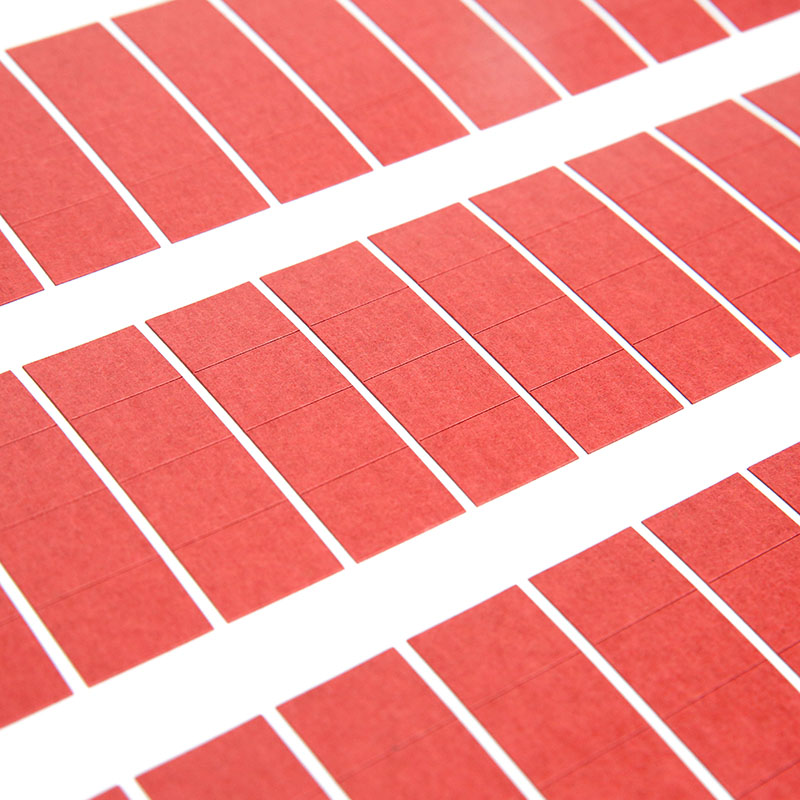
Phenolic resin laminates represent the most widely used insulation board category, combining paper or fabric substrates with phenolic resin binders. The thermosetting resin chemistry creates materials with excellent dimensional stability, mechanical strength, and electrical properties. These boards have served electrical equipment applications for decades with proven reliability.
Paper-based phenolic laminates, designated by NEMA grades including XXXPC, utilize cellulose paper substrates providing good electrical properties at economical cost. These materials serve moderate voltage applications where cost effectiveness takes priority over maximum performance. The combination of phenolic resin and paper creates balanced properties suitable for most industrial electrical applications.
Fabric-based phenolic laminates incorporate cotton fabric substrates providing enhanced mechanical strength and impact resistance. These materials suit applications involving mechanical stresses exceeding paper laminate capabilities. Grade designations indicate specific fabric weights and resin content levels addressing various requirement combinations.
Composite insulation boards combine multiple material layers optimizing property combinations beyond single-material capabilities. Film-core composites laminate polymer films between paper or fabric substrates, combining film dielectric strength with substrate mechanical properties. These engineered constructions address requirements unsuited to single-material solutions.
Aramid paper core boards utilize Nomex aramid papers providing high-temperature capability with polyester or other film faces adding dielectric strength. These composite constructions deliver Class F or Class H thermal capability with enhanced mechanical properties. The hybrid construction provides versatility addressing diverse application requirements.
Ceramic fiber composite boards incorporate inorganic fibers providing extreme temperature capability for specialized applications. These materials serve niche applications with unusual thermal requirements beyond polymer composite capabilities. Most electrical equipment utilizes organic-based composites offering adequate performance with better processing characteristics.
Polyester glass laminates combine glass fabric substrates with polyester resin binders, offering good electrical properties with enhanced mechanical strength compared to paper laminates. These materials resist moisture absorption better than cellulose alternatives, providing more stable performance in humid environments. Glass polyester laminates serve demanding applications including switchgear and control equipment.
Epoxy glass laminates provide superior electrical and mechanical properties compared to polyester alternatives. The epoxy resin chemistry offers better chemical resistance, lower water absorption, and improved dimensional stability. These materials serve high-performance applications including printed circuit boards and precision electrical components.
High-temperature laminates utilizing polyimide, BMI, or cyanate ester resins address extreme thermal requirements exceeding epoxy capabilities. These specialty materials command premium pricing justified only for applications requiring their exceptional performance. The aerospace and military sectors utilize these materials for demanding applications.
Dielectric strength represents primary insulation board performance indicator, quantifying ability to withstand electrical stress without breakdown. Phenolic paper laminates typically achieve 15-25 kV/mm dielectric strength, while glass-based laminates reach 20-35 kV/mm depending on grade and thickness. These values ensure reliable isolation between conductors at different potentials.
Dielectric constant values typically range from 3.5-6.0 for paper laminates and 4.0-6.5 for glass laminates. These values affect capacitance calculations in designs where insulation thickness influences electrical characteristics. Lower dielectric constants minimize parasitic capacitance in high-frequency applications.
Insulation resistance values exceeding 10^12 ohm-cm provide effective electrical isolation, with glass-based materials typically achieving higher values than cellulose alternatives. Surface resistance characteristics prove important for components where surface tracking could compromise insulation integrity. Quality materials maintain stable resistance under varying environmental conditions.
Flexural strength indicates ability to withstand bending stresses during handling and service. Phenolic paper laminates achieve flexural strengths around 100-150 MPa, while glass laminates reach 200-400 MPa depending on construction. These mechanical capabilities enable structural applications requiring load-bearing capacity alongside dielectric performance.
Compressive strength proves critical for applications involving bolted connections or mechanical fasteners. Insulation boards must maintain integrity under clamping forces without excessive compression or deformation. Material selection considers both maximum compressive loads and creep behavior under sustained compression.
Impact resistance varies significantly across board material categories, with fabric-based laminates providing superior impact resistance compared to paper alternatives. Applications involving mechanical shock or vibration may require enhanced impact-resistant materials. Notch sensitivity affects performance in applications with cutouts or sharp corners creating stress concentrations.
Temperature capability determines maximum operating temperatures sustainable without degradation. Phenolic paper laminates typically rate Class A (105°C) to Class B (130°C) depending on specific grade. Glass laminates extend thermal capability to Class F (155°C) ratings. High-performance composite boards reach Class H (180°C) and beyond for demanding applications.
Thermal conductivity influences heat transfer through insulation board constructions. Most insulation boards exhibit thermal conductivity around 0.2-0.4 W/mK, providing some thermal resistance alongside dielectric isolation. Applications involving significant heat flow may require consideration of thermal resistance effects on overall thermal management.
Thermal expansion characteristics affect dimensional stability under temperature cycling. Phenolic laminates exhibit moderate thermal expansion requiring consideration in precision applications. Glass reinforcement reduces thermal expansion compared to paper substrates, improving dimensional stability for precision applications.
Transformer insulation boards serve structural and dielectric functions throughout transformer construction. Core insulation utilizes boards providing mechanical support while maintaining isolation between core sections and windings. The combination of good dielectric properties with adequate mechanical strength makes phenolic boards suitable for these applications.
Winding support blocks and spacers employ insulation boards maintaining alignment and spacing while providing electrical isolation. These components experience mechanical loads from winding tension and electromagnetic forces, requiring adequate compressive and flexural strength. Quality boards maintain properties throughout transformer service life despite thermal cycling and environmental exposure.
Tap changer insulation utilizes boards providing structural support for moving components while maintaining electrical isolation. These demanding applications require boards with enhanced mechanical properties and thermal capability. Premium materials ensure reliable tap changer performance despite continuous mechanical stresses.
Motor stator slot wedges utilize insulation boards maintaining coil position within stator slots against electromagnetic forces. These components require combination of mechanical strength, dimensional stability, and electrical isolation. Specialized wedge materials address specific motor performance requirements.
End-winding support blocks provide mechanical support for coil ends extending beyond stator core. These components experience vibration and thermal cycling stresses requiring robust materials. Quality insulation boards maintain support function throughout motor service life.
Rotor insulation in generator applications utilizes boards providing isolation between rotor windings and ground. These components face unique challenges including centrifugal forces and thermal gradients. Material selection considers rotational stresses alongside electrical and thermal requirements.
Bus bar insulation employs boards providing electrical isolation between conductors at different potentials. These applications require boards with good dielectric strength and thermal conductivity for heat dissipation. Composite constructions address requirements combining electrical isolation with thermal management.
Heat sink insulation utilizes boards providing electrical isolation between semiconductors and grounded heat sinks. These applications require combination of high dielectric strength, thermal conductivity, and mechanical integrity. Specialized thermal interface materials complement insulation board performance.
Printed circuit board substrates utilize glass epoxy laminates providing mechanical support and electrical isolation for electronic components. These applications require consistent electrical properties across board surfaces with tight dimensional tolerances. High-performance laminates address requirements for advanced electronic applications.
Specification | Yuffen Boards | Competitor A | Competitor B | Industry Average |
|---|---|---|---|---|
Dielectric Strength | 25+ kV/mm | 20 kV/mm | 18 kV/mm | 21 kV/mm |
Flexural Strength | 350 MPa | 280 MPa | 250 MPa | 293 MPa |
Temperature Rating | Class F (155°C) | Class B (130°C) | Class B | Class E |
Thickness Range | 0.4-50mm | 0.8-25mm | 1.0-20mm | 0.7-32mm |
Custom Fabrication | Full service | Limited | None | Partial |
Technical Support | Dedicated team | Basic | Minimal | Basic |
Yuffen insulation boards provide superior specifications including higher dielectric strength, enhanced flexural properties, and extended temperature ratings. Broader thickness range addresses diverse application requirements, while full-service fabrication capabilities support custom component manufacturing. Dedicated technical support provides application expertise throughout product development.
Electric vehicle power electronics require insulation boards with enhanced thermal management capabilities. Higher power densities and operating temperatures drive demand for boards with improved thermal conductivity alongside dielectric properties. Development of thermally conductive insulation boards addresses these emerging requirements.
Battery management systems utilize insulation boards providing isolation between cells and modules. These applications require combination of dielectric performance, thermal management, and flame retardance. Material development addresses these specialized requirements with specialized board constructions.
Electric drivetrain inverters and converters employ bus bar insulation requiring high-performance boards. The combination of electrical isolation, thermal management, and mechanical robustness proves essential for reliable EV power electronics. Growth in EV production creates substantial demand for advanced insulation boards.
Solar inverter and converter insulation requirements parallel those of other power electronics applications. Grid-scale energy storage systems create additional demand for electrical insulation in power conversion equipment. These renewable energy segments represent growing markets for insulation boards.
Wind turbine power electronics including converters and inverters utilize insulation boards for bus bar and component isolation. The demanding operating environments including temperature extremes and vibration require robust materials. Offshore wind applications add environmental requirements for salt spray resistance.
Grid-scale battery storage systems require insulation boards for cell and module isolation, similar to electric vehicle battery systems. These emerging applications drive demand for insulation boards with enhanced thermal and flame retardant properties.
Accurate specification development requires understanding application electrical, thermal, and mechanical requirements. Operating voltage determines dielectric strength requirements and minimum thickness specifications. Temperature environment including self-heating and ambient conditions influences thermal rating selection. Mechanical stresses from handling, assembly, and service affect mechanical property specifications.
Regulatory requirements including UL ratings, IEC classifications, and industry-specific standards may mandate specific material types. Flame retardance requirements for certain applications may influence material selection. Environmental regulations including RoHS compliance affect available material options.
Life expectancy requirements influence material selection through aging characteristics and property retention. Premium materials providing enhanced aging resistance may justify higher initial costs for critical applications. Standard grades may suffice for applications with shorter expected service lives.
Manufacturing capability assessment examines production equipment, quality systems, and technical expertise. Fabrication capabilities including cutting, machining, and finishing affect supplier selection for custom components. Quality certifications verify supplier commitment to consistent performance.
Material consistency affects production quality, with supplier process control ensuring uniform board properties. Testing capabilities verify conformance to specifications. Traceability systems support quality documentation and problem investigation.
Technical support capabilities differentiate suppliers for applications requiring application engineering. Design assistance, troubleshooting support, and responsive communication add value beyond basic product supply. Long-term relationship potential supports strategic supplier selection.
Transformer applications typically employ phenolic paper laminates for cost-effective performance meeting standard requirements. High-temperature transformers may require glass polyester or composite boards. Material selection depends on voltage class, thermal rating, and mechanical requirements.
Thickness selection depends on voltage stress, mechanical loads, and structural requirements. Design standards provide minimum thickness guidance for voltage classes. Mechanical calculations ensure adequate strength under service loads. Structural analysis may be required for critical applications.
Temperature rating depends on hottest operating temperature including self-heating and ambient conditions. Calculate thermal rise, add ambient temperature, and include margin for peaks. Select board rated above calculated maximum temperature.
Yes, most insulation boards machine easily using standard woodworking or metalworking equipment. Sharp tools and appropriate feeds prevent delamination and surface chipping. Some high-performance materials may require specialized tooling.
Identify electrical, thermal, and mechanical requirements. Consult with suppliers regarding appropriate material grades. Specify thickness tolerances, dimensional requirements, and any special processing needs. Request samples for evaluation before production orders.
Humidity affects cellulose-based materials more than glass-based alternatives. Chemical exposure may require specialized grades. UV exposure can degrade some materials. Temperature extremes affect dimensional stability and mechanical properties.
Insulation boards provide essential structural and dielectric functions enabling reliable electrical equipment operation. Understanding material categories, properties, and applications enables optimal selection matching requirements with available capabilities. Phenolic laminates, glass composites, and advanced materials address different performance levels and cost points.
Quality insulation boards from established suppliers ensure consistent performance supporting equipment reliability. Technical requirements analysis and supplier qualification enable appropriate material selection. Professional manufacturers like Yuffen, an experienced insulation board manufacturer, provide comprehensive product ranges and technical support addressing diverse requirements.
Continued development addresses emerging requirements in electric vehicles, renewable energy, and advanced power electronics. Material capabilities expand to meet escalating performance demands while cost considerations remain important for high-volume applications. Strategic supplier relationships support successful product development and manufacturing competitiveness.


