


Foam tape is a versatile adhesive used across various industries and home applications. Its ability to bond with different surfaces makes it ideal for tasks requiring flexibility, quick assembly, or a clean finish.However, many wonder: Is foam tape permanent? The answer depends on the type and usage conditions.
In this article, we’ll explore the different types of foam tape, its durability, and the factors that influence its permanence, helping you determine when to rely on foam tape for a lasting bond.
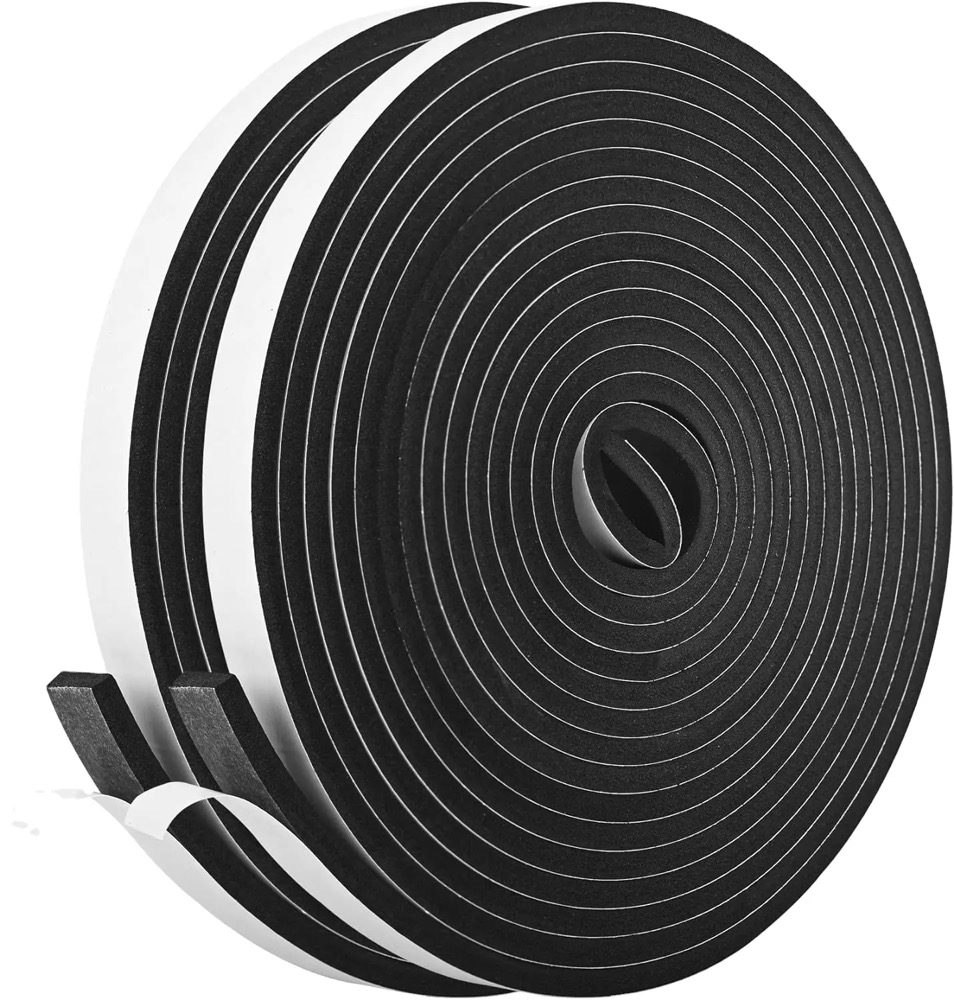
Foam tape consists of a foam core combined with a pressure-sensitive adhesive (PSA). The foam provides flexibility, while the adhesive layer on one or both sides allows the tape to bond to surfaces without heat or additional bonding agents. Depending on the foam type, it can be made from materials such as acrylic or rubber, each offering specific benefits for different applications.
The adhesive on foam tape is "pressure-sensitive," which means it bonds when pressure is applied. The combination of foam and adhesive ensures a strong grip that can withstand various conditions, although its longevity and strength depend on several factors, including surface type and environmental conditions.
There are several variations of foam tape, each suited to different needs:
Single-Sided Foam Tape: Adhesive is applied to one side of the foam, typically used for applications where only one side needs to bond to a surface.
Double-Sided Foam Tape: Both sides are coated with adhesive, allowing it to bond two surfaces together, often used for mounting items or securing displays.
Removable Foam Tape: This type of tape is designed for temporary applications. It can be peeled off without leaving residue, ideal for applications that need to be changed frequently, like posters or temporary signage.
Foam Tape Type | Adhesive Side(s) | Common Use Case |
Single-Sided | One side | Bonding to a single surface |
Double-Sided | Both sides | Mounting items, securing displays |
Removable | One or both sides | Temporary applications, easy removal |
Understanding the type of foam tape required for your specific application is crucial for achieving the best results.
Foam tape is commonly used in a variety of settings:
● Home: For hanging decorations, weatherstripping, or sealing gaps around windows.
● Office: Mounting signs, cushioning items during shipping, or creating temporary displays.
● Industry: Used in automotive manufacturing, appliance assembly, and electronics for bonding parts without the need for mechanical fasteners.
Foam tape provides strong adhesion, but its permanence depends on several factors. The adhesive used in foam tape is designed to form a permanent bond with most clean, dry surfaces. However, some tapes are intended for temporary use, especially removable foam tape. The adhesive strength is often highest when the tape is applied under ideal conditions, such as clean, dry, and smooth surfaces.
Permanence can also be affected by the weight and stress applied to the bond. While foam tape holds up well for most lightweight applications, heavy-duty or high-stress situations may require more robust adhesive solutions.
Not all foam tapes are designed to be permanent. Some are specifically engineered to be easily removable, allowing them to be taken off cleanly without leaving residue. These tapes are ideal for temporary applications like mounting displays or signage where changes are needed frequently.
Permanent foam tapes, however, are made to withstand long-term exposure to environmental conditions. They are ideal for uses like sealing, bonding automotive parts, or industrial applications where a lasting hold is required.
Type of Foam Tape | Removable | Permanent | Common Use Case |
Removable | Yes | No | Temporary applications, signage |
Permanent | No | Yes | Sealing, automotive parts, industrial |
Several factors impact the longevity and permanence of foam tape:
● Temperature: Extreme heat or cold can weaken the adhesive, reducing the tape’s holding power.
● Humidity: Excess moisture can break down the adhesive over time.
● Surface Type: Rough, porous, or oily surfaces may reduce the effectiveness of the adhesive bond.
● Load Weight: Foam tape may struggle with high-load applications, especially for vertical mounting.
It’s important to select the correct foam tape based on these factors to ensure optimal performance and permanence.
Foam tape generally performs well under a wide range of temperatures. High-quality foam tapes can withstand both hot and cold environments. However, extreme temperatures—especially above 100°C (212°F) or below -20°C (-4°F)—may weaken the adhesive. In these cases, specialized tapes designed for temperature resistance should be used.
For everyday applications, foam tape can handle most environmental conditions, including indoor and outdoor uses, without significant loss of adhesion.
Outdoor environments pose additional challenges for foam tape. UV exposure, rain, and chemicals can degrade the adhesive, reducing the bond's strength over time. Some foam tapes are designed specifically for outdoor use, with UV-resistant coatings and weatherproof adhesives that ensure long-lasting bonds even under harsh conditions.
For applications exposed to direct sunlight, moisture, or chemicals, it’s essential to use foam tape that is specifically formulated for outdoor use to prevent degradation.
The lifespan of foam tape also depends on external factors such as:
● Humidity: Excessive moisture can compromise the adhesive’s effectiveness, especially in humid environments.
● UV Exposure: Prolonged exposure to sunlight can cause the adhesive to break down, leading to peeling or weakening.
● Chemical Exposure: Some adhesives may react with chemicals or solvents, reducing their holding power.
Foam tape adheres best to clean, dry, and smooth surfaces. The type of surface plays a critical role in the adhesive's longevity. For example:
● Metal surfaces: Foam tape adheres well and tends to last longer on metals like aluminum or stainless steel.
● Wood: The adhesive may not hold as strongly on rough or porous wood, reducing its durability.
● Plastic: Some plastics, like PVC, may cause chemical migration, affecting the bond's strength over time.
Factor | Impact on Adhesion |
Temperature | Extreme heat or cold can weaken adhesive |
Humidity | Excess moisture can reduce effectiveness |
UV Exposure | Prolonged sunlight exposure weakens bond |
Surface Type | Smooth surfaces improve durability |
It’s important to assess the surface conditions before applying foam tape to ensure its durability.
For foam tape to adhere properly, the surface must be clean and free of dirt, dust, oils, and moisture. Before applying foam tape, wipe the surface with a clean cloth and, if necessary, use an appropriate cleaner to remove any residues that could interfere with the bond. This simple step ensures a stronger, longer-lasting adhesion.
Store foam tape in a cool, dry place away from direct sunlight, extreme temperatures, or moisture. Improper storage can cause the adhesive to weaken or degrade, reducing its effectiveness. Avoid storing foam tape in environments where it could absorb humidity or become too hot, as this can shorten its lifespan and decrease its performance.
To get the best results from foam tape, apply it correctly:
● Press firmly on the tape to ensure a strong bond.
● Remove the protective liner carefully before applying the tape to ensure the adhesive side is exposed.
● Avoid wrinkles or bubbles when applying the tape, as these can weaken the bond.
By following these guidelines, you ensure the foam tape performs at its best.
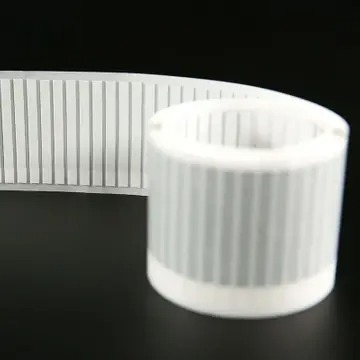
In some cases, other types of adhesive tapes might be more suitable depending on the specific needs of your application. Here are a couple of alternatives to foam tape:
Type of Tape | Key Feature | Ideal Use |
Film Tape | Thin and low-profile | For applications where minimal visibility is needed |
Double-Sided Adhesive Sheets | Strong bond, thicker adhesive layers | Industrial applications, heavy-duty bonding |
Choosing the right tape for your application ensures better performance and cost-effectiveness.
When deciding whether foam tape is the best option, consider the specific needs of the application. For heavy-duty tasks, mechanical fasteners or liquid adhesives might be better alternatives. However, for applications requiring ease of use, flexibility, and clean results, foam tape is an excellent choice.
Foam tape significantly reduces assembly time compared to traditional bonding methods like screws or nails. It’s quicker to apply, requires no tools, and doesn’t create any mess. This is especially advantageous in fast-paced environments where speed and efficiency are crucial.
Unlike screws, nails, or rivets, foam tape doesn’t create visible holes or fasteners. This makes it ideal for applications where aesthetics matter, such as in signage, home décor, or automotive designs. The clean, sleek finish enhances the overall look of the final product.
Certain foam tapes are designed with eco-friendly materials, helping reduce environmental impact. For companies focused on sustainability, foam tape is an excellent choice, as it can provide both functionality and environmental responsibility.
Advantage | Benefit |
Assembly Efficiency | Reduces time, requires no tools or mess |
Aesthetic Flexibility | No visible fasteners, clean finish |
Environmental Benefits | Made with eco-friendly materials |
Foam tape can be permanent, but its longevity depends on the tape type, application, and environment. Choosing the right tape, preparing surfaces properly, and storing it correctly are essential for optimal performance. By following these practices, foam tape provides a reliable, long-lasting solution. JIANGYIN YUFFEN ELECTRONICS CO., LTD. offers high-quality foam tapes designed to meet various needs, ensuring durability and reliable adhesion for your projects.
A: Foam tape can be permanent, depending on the type used, application conditions, and surface. Some foam tapes are designed for temporary use, while others offer strong, lasting adhesion for permanent bonds.
A: The durability of foam tape depends on the type, environment, and surface conditions. When applied correctly and stored properly, foam tape can last for years, especially if designed for permanent bonding.
A: Foam tape is suitable for lightweight bonding, but for heavy objects, ensure you select a high-strength foam tape designed to support weight. For better results, consider professional-grade tapes.
A: To apply foam tape, clean the surface, press the tape firmly, and ensure proper storage. This helps achieve maximum adhesion and durability for long-lasting results.
A: Yes, many types of foam tape are waterproof and ideal for outdoor applications. Ensure you choose a foam tape specifically designed for weather-resistant performance.


