


Have you ever wondered what makes lithium-ion batteries so safe and efficient? The answer could lie in a unique material called barley paper. This versatile material is becoming increasingly important, especially in electronics and battery manufacturing.
In this article, we will explore what barley paper is, its key properties, and its many applications across industries. You’ll discover how it provides excellent electrical insulation, protects against heat, and offers durability for high-performance products.
Barley paper, also known as fish paper, is a specialized insulating material made primarily from pure cellulose. It is derived from highland barley fibers and wood pulp, making it a natural and sustainable product. The cellulose fibers give barley paper its unique insulating properties, setting it apart from synthetic alternatives.
The composition of barley paper includes a combination of organic fibers that are processed to enhance durability and resistance to heat, mechanical stress, and electrical conductivity. Unlike many conventional insulators, barley paper is environmentally friendly, biodegradable, and performs exceptionally well in harsh conditions.
Feature | Description |
Material | Pure cellulose, highland barley fibers |
Composition | Organic fibers, wood pulp |
Key Properties | Electrical insulation, heat resistance, mechanical strength |
Environmental Impact | Biodegradable, eco-friendly |
Performance in Harsh Conditions | Excellent durability in extreme environments |
Barley paper possesses several key characteristics that make it highly suitable for electrical insulation:
● Dielectric Strength: It has excellent dielectric properties, meaning it effectively prevents the flow of electricity. This makes it a critical component for preventing short circuits and ensuring safe electrical operation.
● Flexibility and Softness: Barley paper is flexible and soft, allowing it to conform to different shapes and provide effective insulation even in tight spaces.
● Thermal Resistance: It can withstand high temperatures, making it ideal for use in high-drain devices like lithium-ion batteries, where heat management is crucial.
● Mechanical Toughness: The material is resistant to wear and tear, ensuring that it maintains its integrity over time, even in rugged environments.
One of the standout features of barley paper is its exceptional electrical insulation capabilities. This material prevents electrical conductivity by providing a reliable barrier between conductive materials. It is commonly used in applications where short circuits can occur, such as in battery packs and electronic devices. The high dielectric strength of barley paper ensures that it prevents accidental contact between positive and negative terminals in battery assemblies, protecting the overall system from potential damage.
Barley paper excels in thermal insulation as well, with the ability to resist heat and maintain its properties under extreme temperatures. This is particularly valuable in the context of lithium-ion batteries, where heat generation is a common concern. By acting as a thermal insulator, barley paper helps to dissipate excess heat, preventing damage to the cells and ensuring optimal battery performance.
In addition to its electrical and thermal properties, barley paper is known for its mechanical strength and resistance to chemicals. It is highly durable, with resistance to abrasion, oils, and water. These characteristics make it suitable for use in a wide range of industries, including automotive, electrical appliances, and industrial applications. Its resistance to wear and aging ensures that it performs reliably in challenging environments, where other materials may degrade over time.
Property | Description |
Electrical Insulation | Prevents conductivity, high dielectric strength |
Thermal Insulation | Resists heat, maintains properties at high temperatures |
Mechanical and Chemical Resistance | Durable, resistant to abrasion, oils, water, and aging |
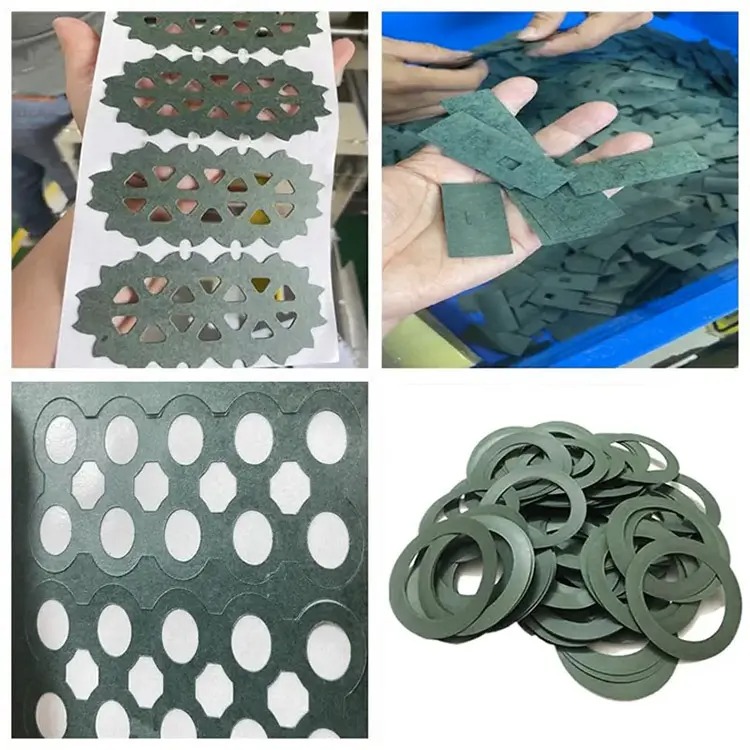
Barley paper is widely used in the construction of lithium-ion batteries, particularly in 18650 cells. It plays a crucial role in ensuring battery safety by preventing short circuits. Barley paper isolates the positive terminals from the negative casing, ensuring that they do not come into contact with one another during battery operation. This insulation is vital for preventing malfunctions and maintaining the safety of the battery pack.
Barley paper not only prevents short circuits but also contributes to extending the life of lithium-ion batteries. By shielding the internal components from excessive heat and vibration, it helps protect the delicate structures inside the battery. This enhances the overall longevity and performance of the battery, making it a valuable material for applications in consumer electronics, electric vehicles, and renewable energy systems.
For DIY battery builders, barley paper offers a customizable solution. It is available in various forms, including sheets, rolls, and pre-cut shapes, which can be tailored to fit specific battery designs. This versatility allows users to precisely insulate and protect their batteries, enhancing both the safety and functionality of the battery pack.
● Electrical and Electronics: Barley paper is used for insulation in motors, transformers, and electronic devices, providing high dielectric strength and protection against electrical failures.
● Automotive and Appliances: It insulates electrical components in vehicles, such as battery packs and motors, and ensures the safety and efficiency of household appliances.
● Railroad and Industrial: Barley paper insulates electrical circuits in railroads and industrial applications, shielding systems from electrical faults and extreme environmental conditions.
● Composite Materials: It is being used in combination with other materials to enhance the strength, insulation, and thermal properties of products in construction, automotive, and electronics industries.
Industry | Application Description |
Electrical and Electronics | Used for insulation in motors, transformers, and electronic devices. Provides high dielectric strength and gasket protection. |
Automotive and Appliances | Insulates electrical components like battery packs, wiring, and motors. Ensures safety and efficiency in household appliances. |
Railroad and Industrial | Acts as an insulator for electrical circuits, shields critical systems from electrical faults. Resistant to moisture and extreme temperatures. |
Composite Materials | Combined with other materials to enhance strength, insulation, and thermal properties for use in construction, automotive, and electronics. |
As a natural material derived from cellulose, barley paper is biodegradable and environmentally friendly. Unlike synthetic insulating materials that can contribute to environmental pollution, barley paper offers a sustainable alternative that supports eco-friendly initiatives. Its use reduces the environmental footprint of products in which it is used, such as battery packs and electronic devices.
Barley paper is a cost-effective solution for manufacturers and DIY enthusiasts alike. Its affordability, combined with its high-performance properties, makes it an attractive choice for a wide range of applications. It offers an efficient and reliable alternative to more expensive synthetic insulators without compromising on quality.
Barley paper's versatility extends across various sectors, from electronics to automotive to industrial applications. Whether used for insulating battery packs, protecting electrical components, or contributing to advanced composites, barley paper provides a flexible and reliable solution for a variety of needs.
Advantage | Description |
Environmentally Friendly | Biodegradable, reduces environmental impact. |
Cost-Effectiveness | Affordable, reliable alternative to synthetic insulators. |
Versatility | Suitable for electronics, automotive, and industrial uses. |
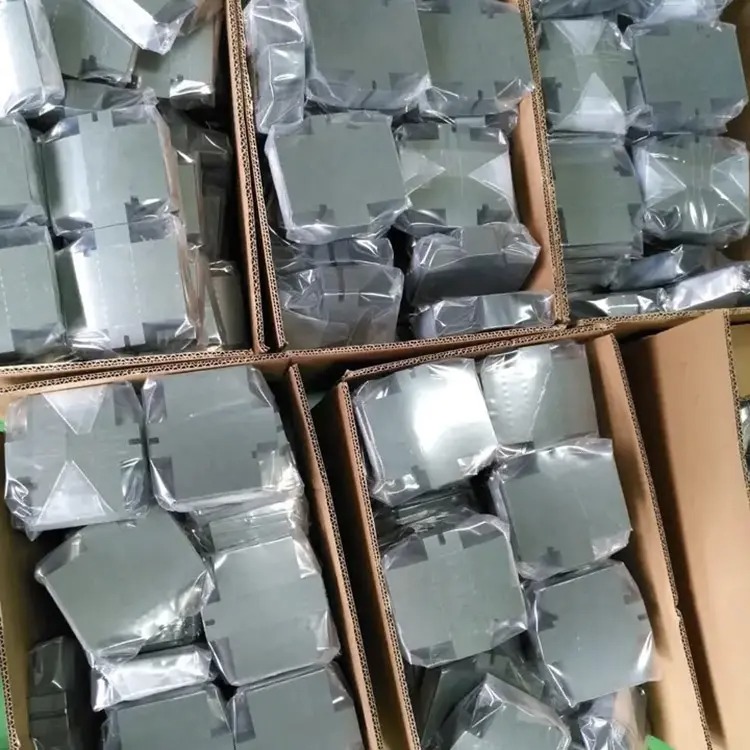
When selecting barley paper for DIY projects, it is essential to choose the right form for the task at hand. Barley paper is available in sheets, rolls, and pre-cut shapes, allowing users to select the most suitable option for their specific needs. For example, rolls and sheets are ideal for custom insulation projects, while pre-cut shapes are convenient for battery pack construction.
Using barley paper in DIY projects is relatively straightforward. It can be cut, shaped, and applied with ease, making it an accessible material for hobbyists and professionals alike. When constructing battery packs, barley paper should be placed between the cells to ensure proper insulation and prevent short circuits. It can also be used to wrap electrical components, providing an extra layer of protection against heat and electrical interference.
While barley paper is a safe material to work with, it is important to follow safety guidelines when using it in electrical projects. Ensure that the material is properly insulated and securely attached to prevent any potential electrical issues. When working with high-voltage components, always take the necessary precautions to avoid electrical shock or damage to the material.
As the demand for sustainable and high-performance materials continues to rise, barley paper is expected to see further innovations. Researchers are exploring new ways to enhance its properties, such as improving its thermal resistance, strength, and ability to withstand extreme conditions. The future of barley paper looks promising, with potential applications in emerging technologies and industries.
The growing focus on environmental sustainability is driving the demand for eco-friendly materials like barley paper. As more industries move towards greener alternatives, barley paper's role as a sustainable insulating material will become even more significant. Its natural composition and biodegradable properties make it a key player in the shift towards more sustainable manufacturing practices.
Future Trend | Description |
Innovations and Developments | Ongoing research to enhance thermal resistance, strength, and durability. |
Growing Demand for Eco-Friendly Materials | Increasing shift towards sustainable materials, boosting barley paper's role in eco-friendly manufacturing. |
Barley paper is a versatile, eco-friendly material used across industries like electronics, automotive, and more. Its unique properties, such as electrical insulation, thermal resistance, and mechanical toughness, make it essential for modern technologies. As industries focus on sustainability, barley paper’s role in insulation and advanced materials will continue to grow. JIANGYIN YUFFEN ELECTRONICS CO., LTD. provides high-quality barley paper products, offering superior insulation and durability to enhance the safety and performance of various applications.
A: Barley paper is an eco-friendly material with excellent electrical insulation, thermal resistance, and mechanical toughness, making it ideal for various insulation applications.
A: Barley paper is commonly used as an insulating material in lithium-ion batteries, preventing short circuits and managing heat to improve safety and performance.
A: Barley paper offers exceptional electrical insulation, heat resistance, and durability, making it crucial for preventing battery failures and enhancing battery life.
A: Barley paper provides superior insulation, environmental sustainability, and mechanical strength, making it a reliable and versatile material for numerous applications.
A: Yes, barley paper is an affordable material that offers excellent performance, making it a cost-effective choice for both manufacturers and DIY projects.


