
Views: 0 Author: Site Editor Publish Time: 2026-05-15 Origin: Site


High-voltage EV and energy storage battery packs leave absolutely no room for material failure. Thermal runaway, stray currents, and electrolyte leaks often trace back to compromised insulation. Engineers face a critical balancing act on the factory floor. They must deliver extreme thermal stability and high dielectric strength. They must also ensure materials run flawlessly on automated assembly lines.
However, you cannot simply over-engineer every single component. Defaulting to expensive Polyimide (PI) tape when unnecessary destroys your target cost-per-kWh ratio. We need a smarter, data-backed approach to material selection. This article provides a clear, specification-driven framework for modern engineers. You will learn how to evaluate and source reliable PET film tape for cell wrapping, termination, and structural insulation. By standardizing your material specifications, you prevent electrical arcing, lower production costs, and dramatically speed up output.
Material Efficacy: PET provides the optimal balance of mechanical strength and thermal stability (-40°C to 150°C) compared to baseline BOPP or cost-prohibitive PI films.
Adhesive Shift: The industry is strictly pivoting to silicone-free acrylic adhesives to prevent silicone poisoning and electrolyte degradation.
Format-Specific Sourcing: Thickness requirements scale predictably based on application—from ultra-thin (0.05mm) for pouch cell wrapping to robust (0.2mm+) for module-level mechanical barriers.
Procurement Priority: Consistent peel strength (8–16 N/25mm) and zero-residue peeling are critical for high-speed, automated battery assembly lines.
Selecting the right substrate directly impacts long-term pack safety. You must prevent electrical arcing and catastrophic short circuits. At the same time, you cannot disrupt the cost-efficiency of the battery pack. Industry leaders rely on specific tape hierarchies to solve this exact problem.
Let us examine the comparative material hierarchy closely. Engineers generally evaluate three primary substrates during the prototyping phase. We break them down here.
Material Substrate | Thermal Resistance Range | Cost Profile | Ideal Assembly Application |
|---|---|---|---|
Polyimide (PI) | Maximum (Up to 260°C) | Cost-Prohibitive | Extreme localized heat zones, high-temp welding spots |
Biaxially Oriented Polypropylene (BOPP) | Very Low (Melts easily) | Extremely Low | Basic external packaging, non-EV commercial use |
Polyethylene Terephthalate (PET Film) | High (-40°C to 150°C) | Moderate / Optimal | Structural insulation, full cell wrapping, busbar padding |
Polyimide offers maximum thermal resistance. However, it remains far too expensive for large-surface cell wrapping. BOPP is cheap and easily sourced. Yet, it completely lacks the thermal and dimensional stability required in harsh EV environments. BOPP shrinks drastically under moderate heat. This shrinkage exposes bare metal and causes immediate shorts.
This reality leaves PET film as the absolute structural sweet spot. It offers exceptionally low water absorption. Tests show it absorbs only around 0.6% moisture. It delivers high dielectric strength across a wide temperature band. It also maintains excellent dimensional stability under immense pack compression. A high-quality battery insulation tape acts as your primary defense layer. It actively guards against physical friction, hazardous chemical exposure, and dangerous electrical bridging.
Application approaches vary strictly by core cell architecture. Procurement teams should match tape specifications directly to these unique form factors. What works for a rigid prismatic shell will undoubtedly fail on a soft pouch.
These rigid batteries require heavy-duty double-layer protective structures. Typical total thickness hovers around 110μm. You must focus heavily on puncture resistance here. The tape must protect sharp aluminum edges and corners. During module stacking, compressive forces push these rigid corners together. They easily pierce weak films. A robust cell protection tape prevents dangerous metal-on-metal shorts in these tight spaces. It also mitigates the risks associated with natural cell swelling over the vehicle lifespan.
Pouch cells expand and contract during active charging cycles. They require ultra-thin, highly conformable insulation film. Engineers usually specify strict 0.05mm to 0.08mm thicknesses. The material must wrap tightly around soft edges. It cannot trap disruptive air bubbles underneath the adhesive layer. Additionally, this material needs superior optical clarity. Printed factory barcodes and internal serial numbers must remain highly scannable through the outer wrapping.
Cylindrical designs utilize entirely different wrapping techniques. Manufacturers primarily use robust termination tapes to secure the internal jelly-roll winding. This specific application demands rapid, high-tack adhesion. The tape must grab the fast-spinning winding instantly. This rapid adhesion prevents unwinding right before the final steel casing is applied. Centrifugal forces during high-speed winding will tear weaker adhesives apart.
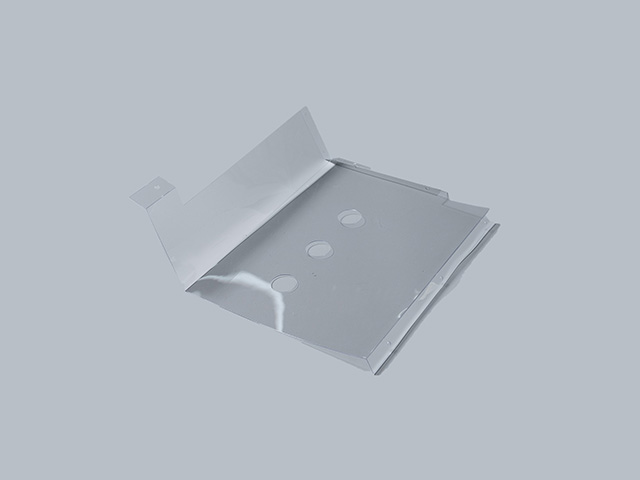
Vendor marketing claims can sometimes mislead buyers. To avoid exaggerated promises, engineers should rigorously benchmark technical data sheets (TDS). You must check them against proven industry standards. Look for these crucial baseline specifications during your next vendor audit.
Battery enclosure materials must meet stringent flammability ratings. Achieving a UL 94 V-0 rating is non-negotiable for modern EV packs. The material must self-extinguish rapidly to prevent fire spread. Furthermore, you must look for verifiable dielectric breakdown voltages. Rely purely on ASTM D3755 testing standards. Depending on the exact film thickness, reliable tapes should target between 3.5KV and 5KV. Modern 800V vehicle architectures demand these higher dielectric safety buffers.
Older high-temp materials often utilized legacy silicone adhesives. These older tapes carry massive operational risks. They outgas heavily inside sealed battery enclosures. This outgassing causes a severe defect known as "silicone poisoning." This invisible gas contaminates the entire internal battery environment, ruining sensitive contacts.
You must evaluate advanced acrylic adhesives instead. Industry-grade acrylics offer superior electrolyte resistance. They provide excellent weatherability and long-term chemical stability. Most importantly, they eliminate cross-contamination risks entirely. This protects sensitive wire bonding and terminal welding processes down the line.
Specifying the exact right thickness ensures automated assembly line success. Using the wrong gauge causes jamming or failed insulation. Use the following chart as your baseline procurement guide.
Film Thickness Range | Primary Application Areas |
|---|---|
0.05–0.08 mm | Internal cell-level wrapping, transparent automated labeling, flexible components. |
0.10–0.15 mm | Inter-cell padding, flexible busbar structural insulation, standard module barriers. |
0.15–0.20 mm | High mechanical protection, TIM bonding layers, thermal runaway mica-pad integration. |
Pristine lab tests rarely reflect actual, gritty factory conditions. You must address the daily realities of continuous automated rollout. Common points of failure often happen right on the fast-moving assembly line. Engineers must anticipate these three specific hurdles.
Electrolyte Corrosion Failure: Standard packaging adhesives dissolve instantly. Harsh lithium battery electrolytes destroy generic glues on contact. You must specify electrolyte-resistant acrylics. This targeted chemistry prevents the tape from dissolving. It avoids catastrophic structural failure inside the sealed pack.
Edge Warping on Automated Lines: High-speed applicators stretch materials. A specialized PET sealing tape must maintain a strict peel strength. The accepted industry standard sits firmly between 8 and 16 N/25mm. Hitting this exact window ensures edges do not lift or curl after roll-to-roll application. Warped edges catch on machinery and shut down entire production lines.
Residue and Contamination: Dirty surfaces destroy laser welding processes. A premium battery tape must leave absolutely zero residue. Sometimes, workers reposition or remove the tape during quality checks. The metal surface beneath must stay perfect. Ensuring conductive surfaces remain pristine is vital. Otherwise, secondary bonding attempts will fail completely, causing pack rejections.
Finding a decent raw material is only half the battle. You need to vet your supplier for bulk order reliability and extreme manufacturing precision. Poor converting turns good film into unusable scrap.
Consider the following critical vetting guidelines when auditing new manufacturing partners:
Die-Cutting Precision: Standard blade cutting is no longer sufficient. Modern battery pack geometries are highly intricate. Look for advanced converters offering ±0.1mm down to ±0.01mm tolerances. They should use automated CCD visual inspection systems. These cameras ensure perfect, defect-free fits for complex shapes.
Cleanroom Manufacturing: Even microscopic ambient dust compromises adhesive integrity. Trapped dust introduces potential short-circuit bridges. Ensure your supplier operates certified cleanrooms. They should maintain Class 100 or Class 1000 environments. Strict HEPA filtering guarantees medical or automotive-grade cleanliness.
Customization vs. Off-the-Shelf: Evaluate the supplier's true operational agility. Can they quickly modify a bulk PET tape roll to fit your exact machine? They should rapidly adapt widths, lengths, and specific liner release forces. Seamless integration into your specific automated dispensing equipment saves hundreds of production hours.
Selecting the right tape is a critical engineering decision. It directly dictates the safety, compliance, and longevity of the entire battery pack. You simply cannot leave this choice to chance or outdated legacy materials. Using basic packaging tapes in high-voltage environments guarantees failure.
Engineers should immediately audit their current bill of materials. Transition swiftly away from any legacy silicone-based adhesives. Request electrolyte-resistant, precision-cut samples to conduct rigorous automated line testing today.
Take decisive action to secure your manufacturing process. Request a customized technical consultation with an expert converting partner. Download a comprehensive specification matrix to compare TDS sheets directly against your requirements. Finally, ask for a sample roll. You must validate peel strength and residue-free removal on your own automated equipment.
A: Thickness depends directly on the specific structural application. A thickness of 0.05mm to 0.08mm is standard for internal, conformable cell wrapping. Conversely, 0.11mm to 0.15mm is commonly used for prismatic outer case protection due to higher puncture resistance needs.
A: Silicone adhesives tend to outgas heavily under thermal load. This causes severe cross-contamination, known as silicone poisoning, within the sealed battery cell enclosure. This invisible poisoning degrades electrical performance and directly interferes with precise terminal welding processes.
A: The PET backing itself is highly chemically resistant. However, the adhesive layer remains the vulnerable component. You must formulate it with specialized acrylics. These advanced acrylics actively resist degradation, swelling, and dissolving when exposed to harsh lithium electrolytes.
A: For reliable metal and aluminum casing adhesion, you need specific peel metrics. An optimal peel strength generally sits firmly between 8 and 16 N/25mm. This range prevents automated line failure, stops edge lifting, and pairs perfectly with a residue-free removal profile.


